
60
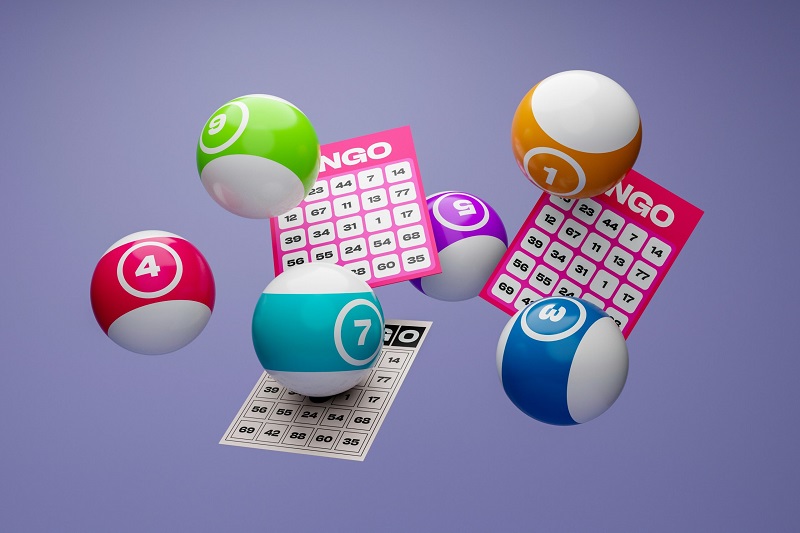
For decades, the soundscape of American community entertainment was anchored by a familiar chorus: the steady whir of a mechanical blower, the clack of wooden balls rolling down a chute, and the rhythmic cadence of a caller announcing combinations through an echoey public address system. Across church basements, fraternal lodges, and dedicated commercial halls, rows of folding tables filled up with players armed with ink daubers, lucky charms, and a stack of multi-colored paper sheets.
Today, that same pastime unfolds in the palm of a hand. Millions of players track simultaneous cards on high-resolution smartphone screens, where automated algorithms manage numbers and animated graphics celebrate every win.
The journey of bingo from a tactile, civic gathering into a dynamic pillar of digital entertainment is not merely a story about technology replacing paper. It illustrates how a classic game preserved its core identity while radically adapting to the habits, schedules, and expectations of modern audiences.
The Golden Era of the Physical Bingo Hall
To appreciate the scale of bingo’s digital reinvention, one must understand how deeply rooted the physical experience was in twentieth-century culture. The modern game took shape in the late 1920s when toy salesman Edwin Lowe standardized the rules and card combinations of a carnival attraction known as Beano. Once a Columbia University mathematics professor helped Lowe generate thousands of non-repeating number permutations, the game exploded into mainstream American life.
Throughout the mid-to-late 1900s, bingo became a primary vehicle for charitable fundraising and community bonding. Neighborhood halls served as vital social hubs, particularly for older adults, homemakers, and retirees.
The physical environment carried its own distinctive subculture. Success was measured in sensory rituals: the smell of fresh ink, the tactile satisfaction of stamping a clean card, the collective hush that descended as a session entered its final numbers, and the sudden release of tension when someone shouted across the room. These gatherings fostered tight-knit social networks where players occupied the same seats week after week, sharing family news and superstitions between rounds.
The Catalysts for Change
By the late 1990s and early 2000s, the traditional hall model began confronting headwinds. Demographic changes, rising commercial real estate leases, and stricter municipal regulations, including indoor smoking bans, triggered a noticeable decline in physical venue attendance. Younger generations, accustomed to early personal computers, home video consoles, and instant internet messaging, rarely gravitated toward rigid three-hour sessions in cavernous halls.
At the same time, the broader entertainment ecosystem was shifting toward on-demand engagement. Leisure time was becoming fragmented. People wanted entertainment they could access during a twenty-minute lunch break or late in the evening without traveling across town. If bingo was to survive into the twenty-first century, it had to migrate into the digital space.
Rebuilding the Game for the Web Era
The initial transition to online platforms during the early internet boom was straightforward, if unpolished. Early web developers simply translated the paper card grid onto desktop browsers. However, transforming a communal, tactile game into software required solving two major challenges: ensuring mathematical integrity and capturing the human warmth of the physical hall.
Algorithmic Fairness and the Auto-Daub Revolution
Physical bingo relies on visual observation; players see balls tumbling in a clear cage, which guarantees transparency. In the digital environment, trust had to be established through mathematics.
Software providers introduced cryptographically secure Random Number Generators (RNGs) to ensure every draw matched statistical independence. Regulated gaming bodies established rigorous auditing procedures to verify that digital draws were just as fair as a mechanical blower.
Along with RNG technology came a functional breakthrough that altered how the game was played: the auto-daub feature. In a physical hall, tracking six or eight paper cards simultaneously pushed human visual tracking to its limit. Online software, however, can automatically track and mark numbers across twenty, fifty, or even one hundred cards at once.
While some purists initially worried that automation would remove the skill of quick visual scanning, it actually freed players to relax, engage in conversation, or experiment with higher card volumes without fear of missing a prize.
Preserving Community Through Digital Chat
The biggest threat to digital bingo was isolation. If players were reduced to sitting alone, staring silently at software that marked cards for them, the experience risked feeling hollow.
Developers addressed this by placing dynamic, real-time chat functionality at the center of the user interface. Rather than treating chat as a secondary feature, platforms hired professional chat moderators whose sole responsibility was to keep conversations lively, explain game rules to novices, run trivia side-games, and congratulate winners.
This preserved the communal DNA of the traditional hall. Digital rooms quickly developed their own inside jokes, shorthand slang, and regular participant networks, proving that social camaraderie was never tied to folding tables and plastic chairs.
Gamification and the Demographic Renaissance
The transition to native mobile apps in the 2010s accelerated bingo’s demographic makeover. On app stores, the game broke free of its stereotype as an activity reserved solely for older generations.
Mobile game designers infused traditional mechanics with modern gamification elements:
-
Progression Systems: Players earn experience points, unlock themed virtual rooms, and collect digital badges as they play.
-
Mini-Games and Side Quests: Short puzzle or reel-style side games run in tandem with active number draws, offering micro-rewards between major rounds.
-
Asynchronous Tournaments: Global leaderboards allow players across different time zones to compete against each other for seasonal ranking points.
-
Variable Pacing: Rapid-fire speed rooms cater to players wanting quick three-minute rounds, while standard-pace rooms accommodate those seeking a relaxed rhythm.
These structural innovations attracted a younger, tech-fluent audience. Today, the average online bingo player is considerably younger than the typical attendee of a physical hall forty years ago, with a wide demographic spread of adults who treat it as a casual, low-stress mobile game.
The Modern Convergence: Hybrid Formats and Live Interaction
Rather than eliminating the physical game, digital innovation has created an unexpected resurgence in live, interactive formats.
On the digital side, top operators now stream live human callers into software lobbies, bridging the gap between automated software and traditional showmanship. Players interact with a charismatic host in real time while their digital tickets populate on the screen below the video feed.
Simultaneously, the widespread awareness generated by digital games has spurred high-energy physical revivals. Event concepts that merge traditional bingo mechanics with live music, stage performances, and dance competitions have become smash hits in urban entertainment districts across the United States and the United Kingdom.
The evolution of bingo demonstrates that enduring games do not disappear when technology shifts; they adapt. By shedding geographic boundaries and embracing flexible software design while fiercely protecting its core identity as a social pastime, bingo has turned a century-old carnival game into an agile, modern entertainment format that thrives across generations.
